Latest Posts
-
You Don’t Need to Be a Lua Expert to Build in Iguana
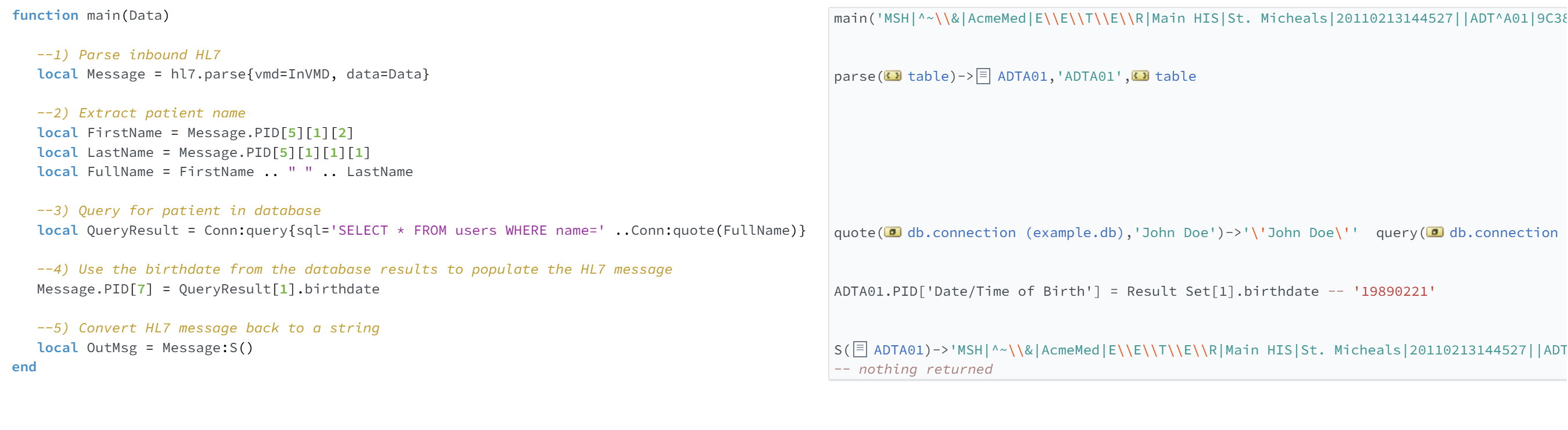
A year ago, I hadn’t even heard of Lua. Now, I’ve used it to contribute to custom healthcare integrations in Iguana. Learning Lua was less about starting from scratch and more abou...
-
Build an HL7 Interface From Scratch
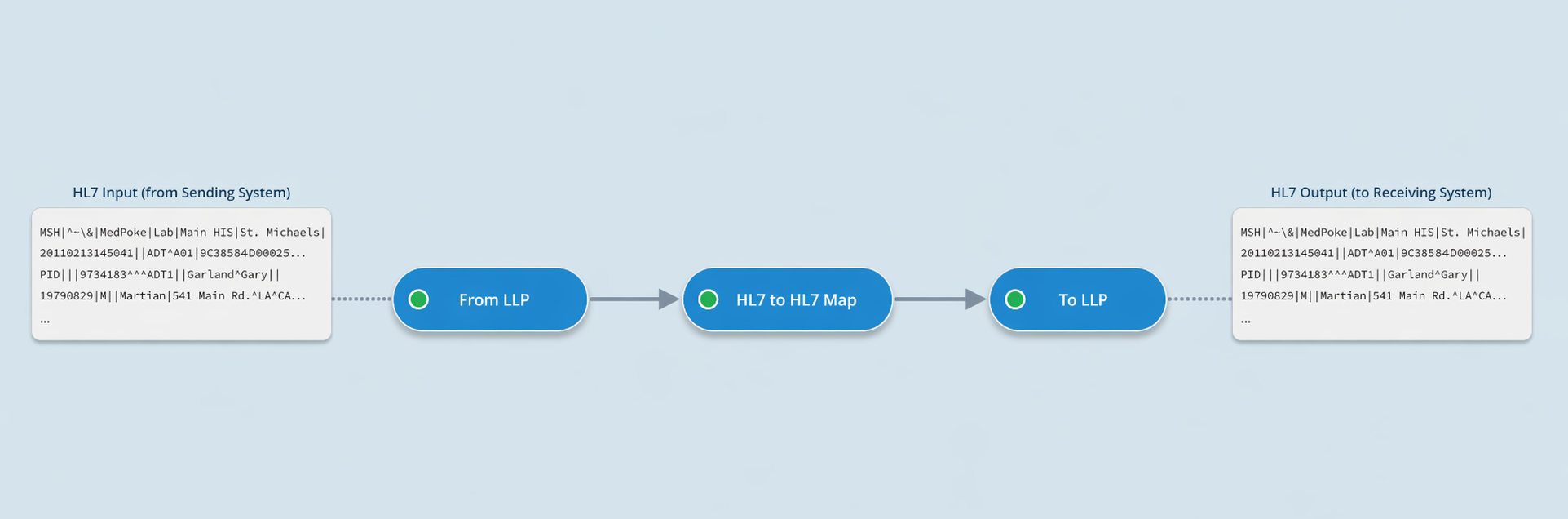
Healthcare information exchange is inherently complex. Connecting diverse data formats and systems can quickly become overwhelming. IguanaX simplifies this process by combining pre...
-
Exploring New Possibilities with the Azure OpenAI Component in Iguana
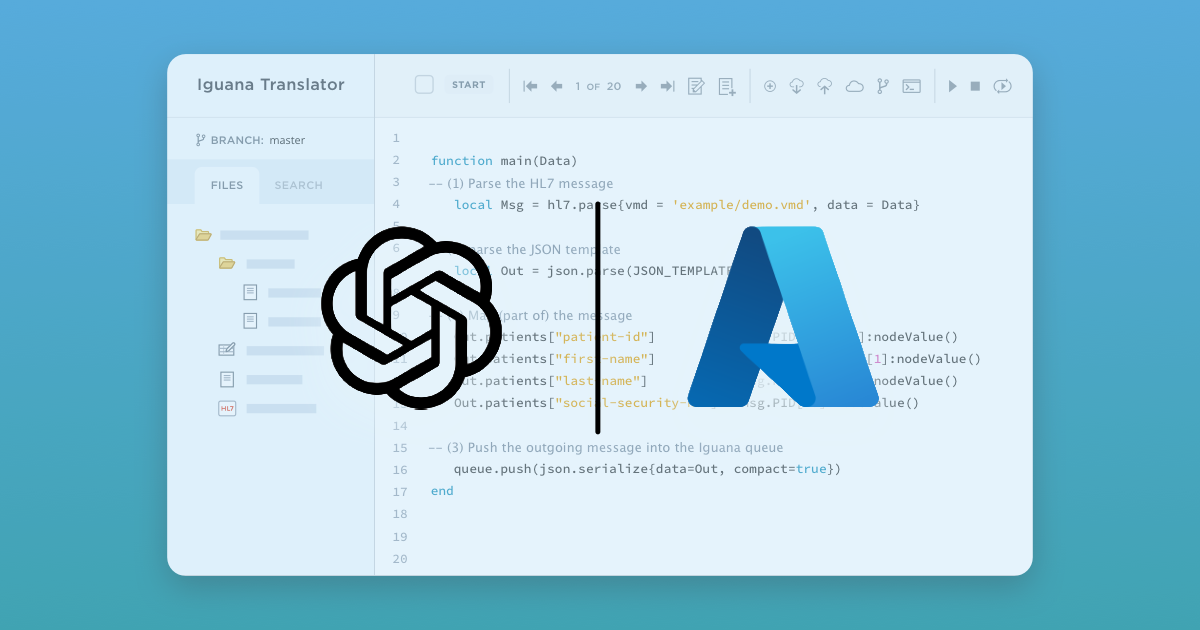
AI has quickly become part of everyday technical conversations, and integration is no exception. Many teams are curious about how it might fit into their workflows, especially in w...
-
Demystifying Iguana for Healthcare Integration Teams
Confused about Iguana? This post explains what Iguana is (and is not), and how it helps teams build reliable, scalable EHR integrations. Iguana is an integration engine used to bui...
-
Health Tech Vendors: Is Iguana the Right Fit For You?
Many health technology vendors have projects that require integration with EHRs and begin by looking for a third party solution that can support that need. The challenge is that th...
-
Build Your Own Custom Adapter with Iguana's "Shell Adapter"
In the real world, not every system comes with a ready-made connector. Some organizations work with older software, homegrown tools, or specialty applications that do not have a st...
-
Why On Prem Iguana Still Matters in a Cloud First World
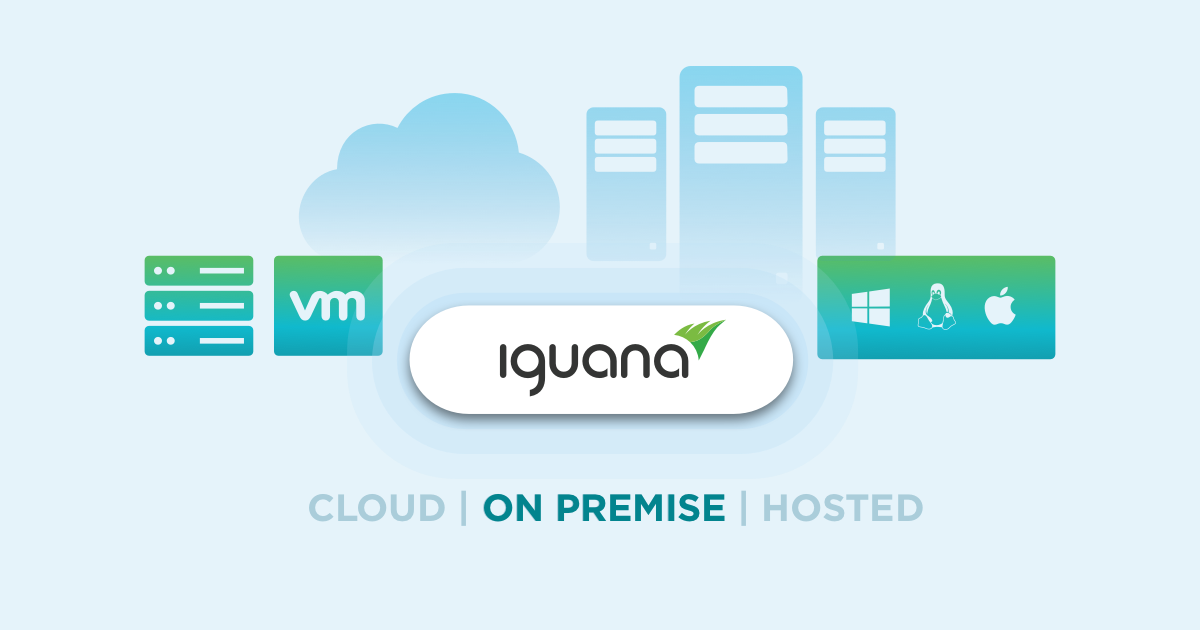
In many healthcare environments, integration decisions are shaped less by technology preferences and more by strict security expectations. Clinics want reliable data exchange, but ...
-
Epic MyChart Integration: Fixing the Data Normalization Problem
During a recent Iguana demo, one of the developers shared a story from a past project. It explained why he had been looking for a better way to manage integrations.
-
"This is like Vercel, but for Hospitals"

Recently during a call, a prospect described Iguana in a way that surprised us. After seeing how integrations are built and debugged, he said that Iguana felt "like Vercel, but for...
-
Iguana + AI: A Smarter Way to Build Healthcare Integrations
We're entering an era where AI isn't just a buzzword, but it’s quickly becoming part of everyday development. Tools like ChatGPT and Cursor are helping developers write code faster...